

HORSE BREEDER

INFORMATION
The importing and breeding of horses is an old trade - without proper, healthy bloodlines or the trade of bloodstock from far-off places, the most integral beast in the old west would surely experience severe declines in health and temperament.
Horse Brokers encompass the range of men and women who make their career in the lives and trades of equines. From breeding and raising foals to managing deals for the import of fine studs from across the world, brokers handle the more domestic side of the equestrian industry.
REQUIREMENTS
Horse Breeders are considered equal-opportunity. Characters of any race, gender, or presentation will have an equal review in these applications.
BENFITS
-
Base Paycheck of $12.00
-
Access to horse training
-
Access to horse breeding
GUIDELINES
Horse Brokers may utilize the role to portray themselves as breeders, traders, fences, or any other path related to the buying, selling, and breeding of horses. Horse brokers are encouraged but not required to work at horse ranch or stable properties.
A certain degree of realism and proper portrayal is expected in the roleplay of a horse broker - a detailed guide of integrating realism into your roleplay is listed below.
ROLEPLAYING A HORSE BREEDER
In the late 1800s, a Horse Breeder played a vital role in both the agricultural economy and the expansion of transportation, industry, and military power. Breeders raised draft horses for plowing fields, pulling wagons, and other heavy labor on farms. As American agriculture mechanized (before widespread use of tractors), strong horses were essential for productivity.
Horse breeders also supplied riding horses and carriage horses for individual and commercial transportation. Individuals relied on horses for pulling buggies, wagons, and everyday use.
The U.S. Army needed thousands of horses, particularly cavalry mounts, artillery horses, and pack animals. Breeders supplied specific types for the military, usually focusing on fast and agile breeds like Thoroughbreds or Mustangs.
Horses were extremely essential for pioneers, settlers, ranchers, and cowboys moving west. Breeders supplied horses for cattle drives, homesteading, and ranch work.
As horse racing grew in popularity during the 1800s, breeders began to raise Thoroughbreds and Standardbreds for racing and harness racing purposes. Wealthy individuals also bought horses for riding and showing, making breeding a potentially lucrative business.
Breeders had to understand bloodlines, conformation, and temperament to improve the quality of horses. Selective breeding aimed to enhance strength, speed, endurance, and disposition. Some breeders kept detailed studbooks and records, which later contributed to the foundation of breed registries (e.g., the American Stud Book for Thoroughbreds).
Horses were economic assets, often more valuable than machinery or tools. Being a horse breeder was a respected profession, especially if one produced high-quality or famous horses.
In the State of Lavinia a Horse Breeder will be a specialist who breeds, buys, and sells horses. They’ll be known for their keen eye for bloodlines, conformation, and temperament. Horse Breeders usually have a reputation for honesty which is based off of the quality of horse that they breed and provide to their buyers. Husbandry is a vital part of producing a quality horse lineage. Once you have received the role as Horse Breeder you can apply to run one of the many ranches across the map or take up work at an existing ranch or stable.
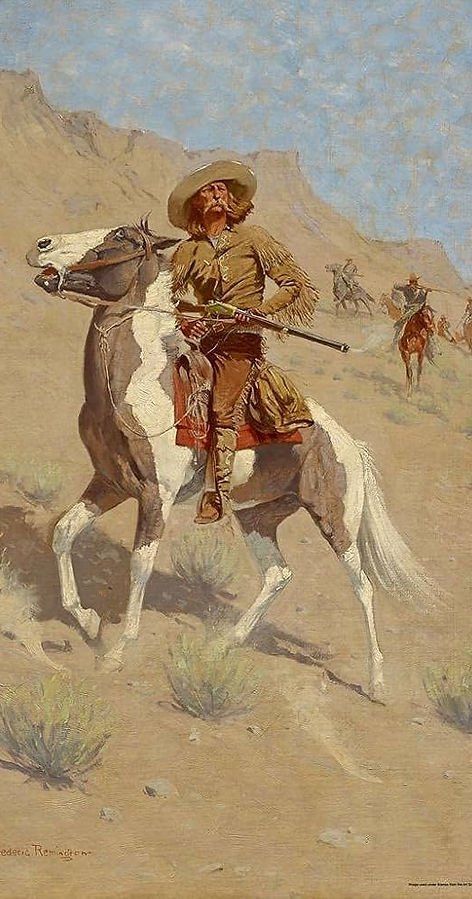
ETHICS AND MORALS
The morals and ethics of horse breeders were shaped by a blend of practicality, pride, and personal honor. Breeding was more than a trade, it was a matter of reputation. A breeder’s name carried weight, often passed down through generations, and honesty about a horse’s lineage or temperament could determine a man’s standing in his community.
Ethical breeders prized soundness, endurance, and good temperament, seeing the horse as both partner and livelihood. Deception, such as disguising a horse’s age, concealing defects, or faking pedigree papers, was considered a grave offense. In an era before regulation, a man’s word and handshake were his bond, and an unscrupulous breeder could quickly find himself shunned.
At the same time, moral views on the treatment of horses were beginning to shift. Though many breeders viewed horses primarily as working stock, others, especially those involved in fine bloodlines or racing, took a paternal pride in their animals’ well-being. The rise of humane societies in America influenced some to consider the ethics of breeding for excessive speed or beauty at the cost of health. A responsible breeder was expected to cull wisely, to pair animals not only for profit but for strength and soundness, and to ensure foals were raised with care. In this balance between commerce and conscience, the best breeders of the era saw themselves as stewards of bloodlines and custodians of a noble creature whose qualities reflected the integrity of the man who raised it.

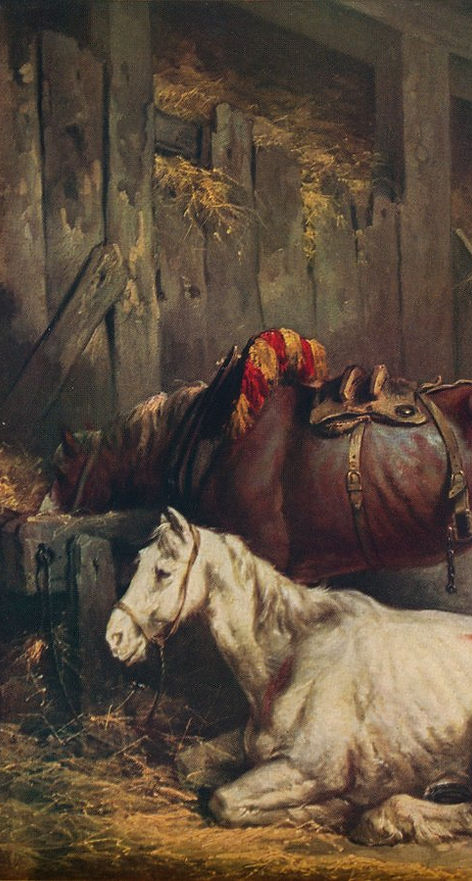.jpg)
BREEDING
As the role name would suggest, one of the main responsibilities for a horse breeder was breeding horses, the purchase or capture, selection, and pairing of the best possible sire and dam and the production of the best possible foal. Their work began with careful selection, studying conformation, lineage, temperament, and performance before ever planning a match. Breeding was a science, learned over years of experience and close attention to bloodlines. The breeder would keep detailed notes, the mares that produce good disposition and color, the stallions that pass down the best conformation and soundness.
CARE OF STOCK
The care of breeding stock was equally vital. Mares had to be kept healthy, properly fed, and free from overwork, particularly during pregnancy. Stallions were unpredictable, often dangerous, and needed special attention to prevent unwanted pairings and fights between them. Foals required close watching through their first months and the breeder often handled them daily to ensure they grew up calm and trainable. Feeding, grooming, and early training fell under his supervision, with an understanding that how a young horse was treated in its first year shaped its usefulness for life.
SALES AND SERVICES
The breeder’s duties extended into trade and community. He was expected to stand behind his word when selling stock, to provide accurate accounts of age, health, and parentage, and to take pride in the horses that bore his name. Many breeders participated in fairs, trials, and sales where their animals were judged against others, reinforcing the importance of skill and integrity in the profession. In some regions, breeders also contributed to improving local herds by offering stud services or sharing knowledge of better bloodlines.
DUTIES AND RESPONSIBILITIES
1. Breeding Horses:
-
Choose stallions and mares with sound conformation, proven bloodlines, and good temperament.
-
Maintain detailed ledgers noting lineage, service dates, foaling records, and health notes.
-
Oversee mating schedules, ensure proper timing, and supervise mares during heat and foaling.
-
Protect and improve the quality of the breed through careful pairings.
2. Care of Valuable Stock
-
Monitor newborns for health and development; ensure early handling and gentle training.
-
Provide balanced feed, clean water, and proper shelter for all animals.
-
Treat injuries, administer remedies, and prevent common ailments such as colic or lameness.
-
Provide veterinary care for mares during and after foaling.
-
Keep stalls clean, pastures well-fenced, and breeding grounds safe.
3. Sale of Stock and Stud Services
-
Break young horses to halter, saddle, or harness as needed before sale or trade.
-
Produce, purchase, or capture stallions with good conformation and temperament and offer independent, but responsible, breedings to members of the community.
-
Present horses at fairs, auctions, and private sales; negotiate transactions.
-
Support the local economy by producing reliable horses for work, transport, or sport.
-
Manage the safe movement of horses for stud service, sale, or shows.
In 1885, the horse breeder stood at the crossroads of tradition and progress….part farmer, part craftsman, part caretaker of living heritage. His work demanded not only skill and patience, but a deep sense of moral duty toward the animals and the community that depended upon them. Each foal born under his care represented years of judgment, labor, and faith in the lineage he guarded. Through his hands passed the power that drew the plow, carried the mail, and bore men to war or home again. To breed horses was to shape the very muscle of the nation, and those who did it well understood that their legacy was measured not in profit, but in the strength, beauty, and spirit of the stock they left behind.